


Going Paperless: Digital Consent & Patient Records for Clinics
How to move a clinic to paperless consent and records the right way — GDPR-compliant, audit-ready, and safer than the filing cabinet you're replacing.
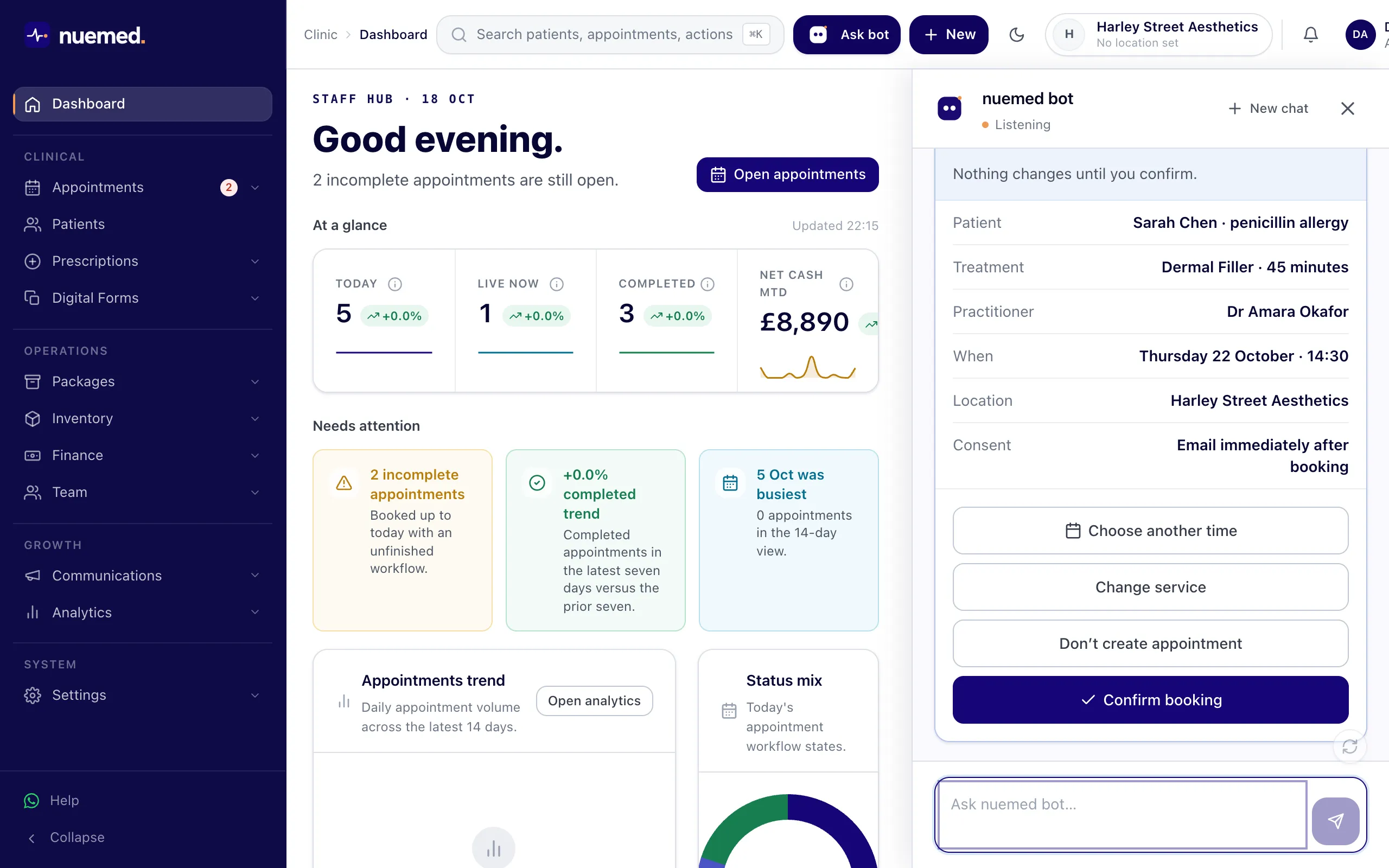
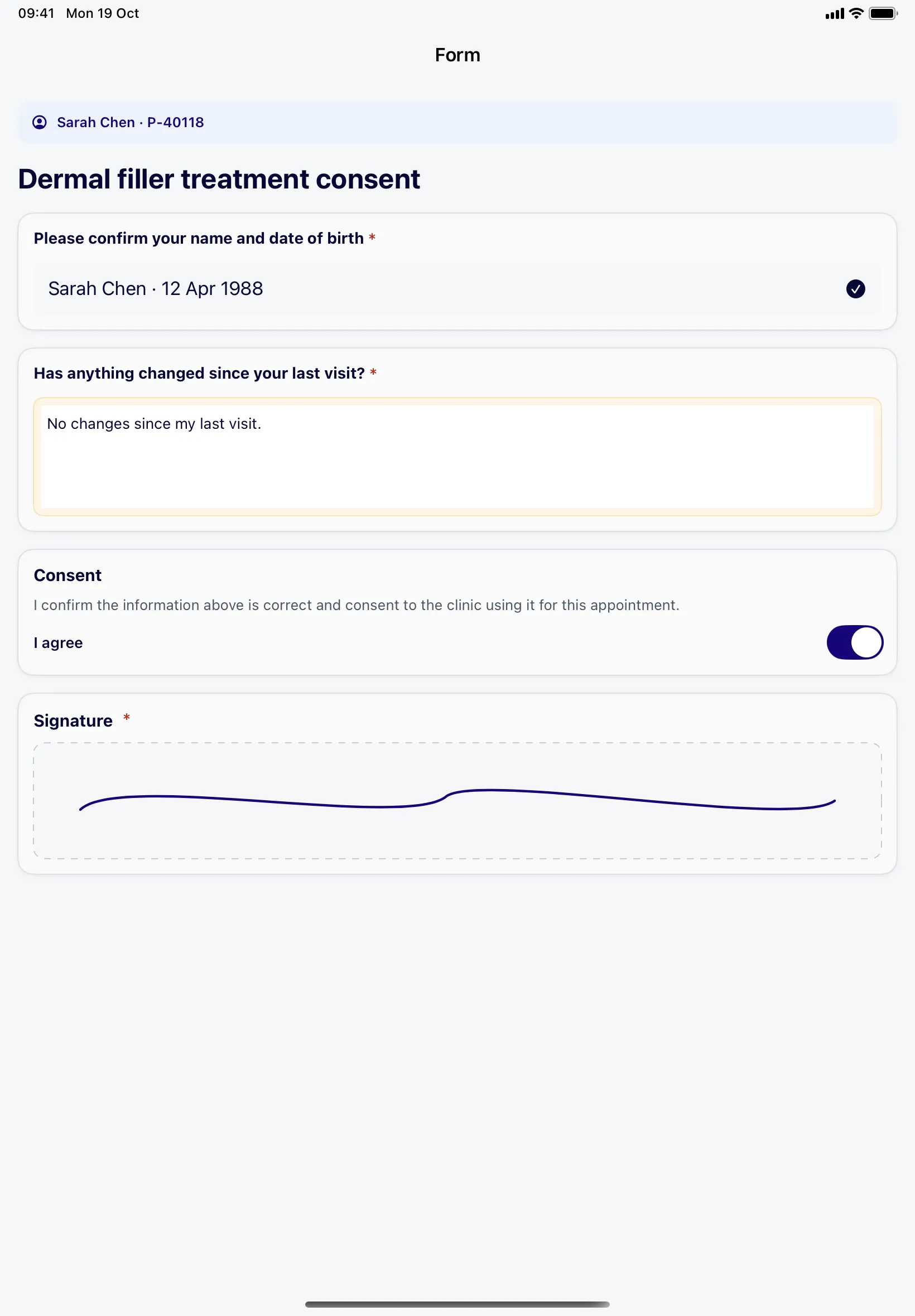
Short answer: Going paperless means moving consent forms, intake and patient records from filing cabinets to a secure digital system. Done properly, it’s safer and more compliant than paper — every form is signed, time-stamped and filed automatically, with a full audit trail and controlled access. The trick is doing it in a way that satisfies GDPR: secure storage, access controls, retention rules and a clear audit history.
Why paper is the real risk
The filing cabinet feels safe; it isn’t. Paper consent means missing signatures, forms filled in the waiting room, and records that can be lost, damaged or seen by the wrong person — with no log of who accessed what. If a complaint or audit ever lands, “it’s in the cabinet somewhere” is not an answer.
What “good” paperless looks like
Going digital only helps if it’s done to standard. Aim for:
- Consent captured properly — the right, treatment-specific form, signed before treatment, stored against the patient record. (→ digital consent forms)
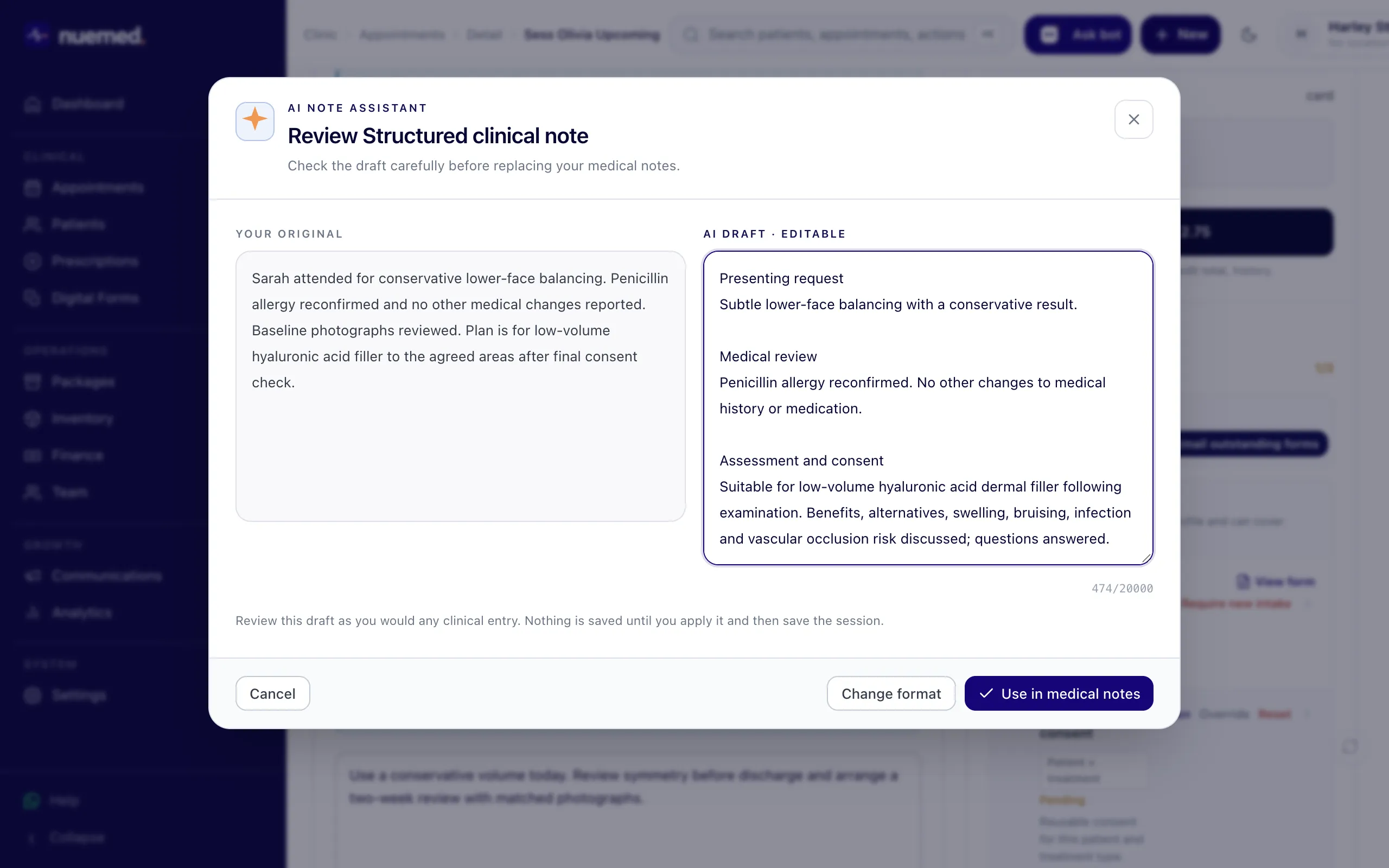
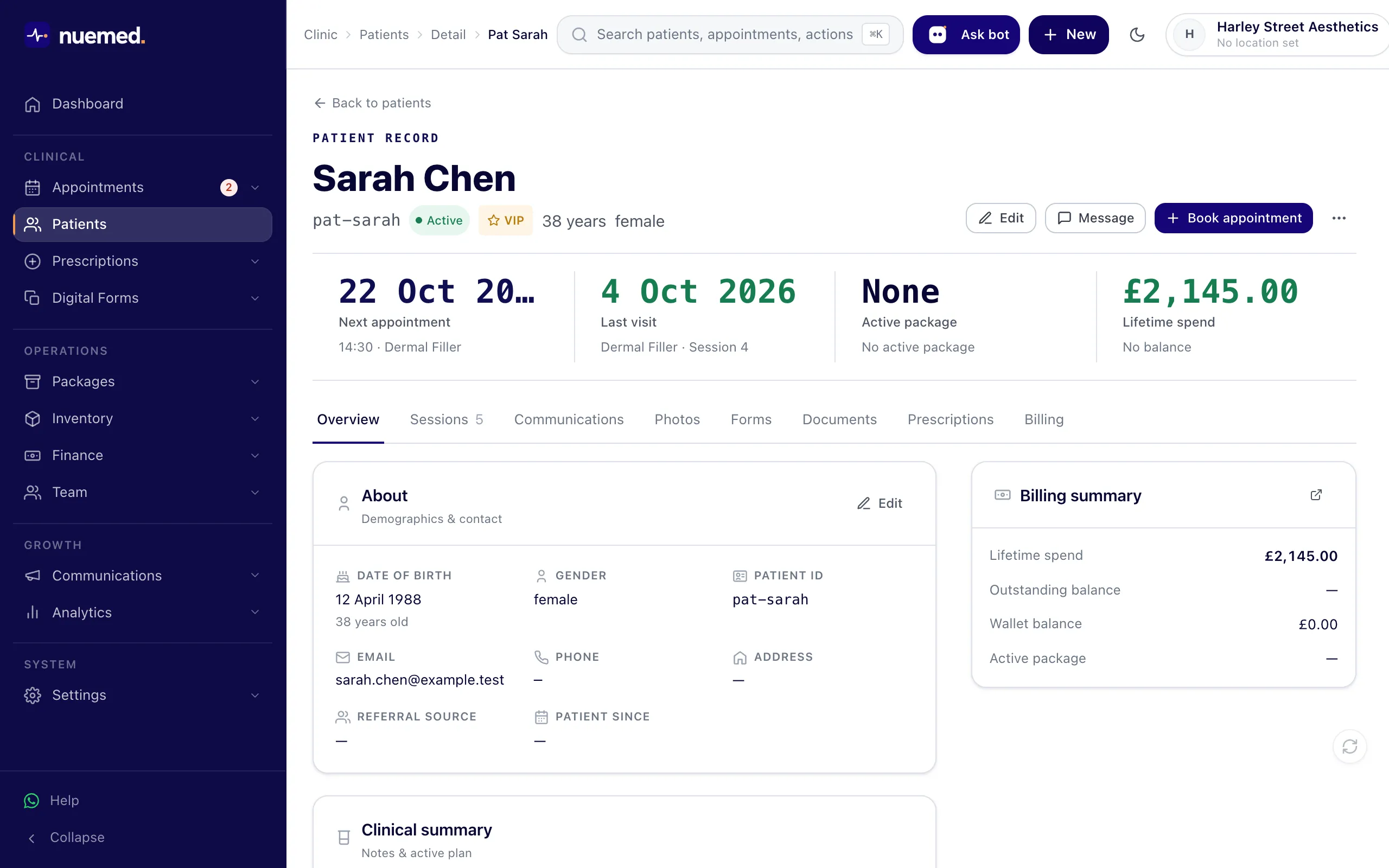
- A single patient record — history, treatments, notes, documents and photos in one timeline. (→ electronic patient records)
- An audit trail — who created, viewed or changed what, and when.
- Access controls — staff see only what their role needs.
- Secure storage & retention — encrypted, backed up, with sensible retention and deletion.
GDPR, in plain terms
Patient records are special-category personal data, so the bar is high:
- Lawful basis + consent for processing.
- Security — encryption, access control, breach protection.
- Data minimisation & retention — keep what you need, for as long as you need.
- Patient rights — access, correction, and a clear record of processing. A good clinic system builds these in so compliance isn’t a separate project. (→ how nuemed handles security.)
How to make the switch (without the chaos)
- Pick a system that does consent, records and access control together — not three tools stitched together.
- Migrate existing records (a good provider will do this for you).
- Set role-based permissions before you go live.
- Turn on digital consent and intake for every treatment.
- Retire the cabinet — securely.
FAQ
Is digital consent legally valid? Yes — electronic signatures are valid, and a time-stamped digital record is stronger evidence than paper.
Is paperless GDPR-compliant? It can be more compliant than paper, if the system provides security, access control, audit trails and retention.
How do I move my existing paper records across? A good clinic-software provider migrates them for you.
For a wider implementation plan, read the aesthetic clinic requirements checklist and see how aesthetic clinic software connects consent, records and appointment workflows. When you are ready to scope access for the team, review current pricing.
General information, not legal advice. Confirm your GDPR obligations and records retention requirements for your setting.
Sources
- ICO — guidance for health and care organisations (link at publish)
- UK GDPR — special category data (link at publish)